Why You Should Never Skip a Comprehensive Eye Exam
Blog:Why You Should Never Skip a Comprehensive Eye Exam
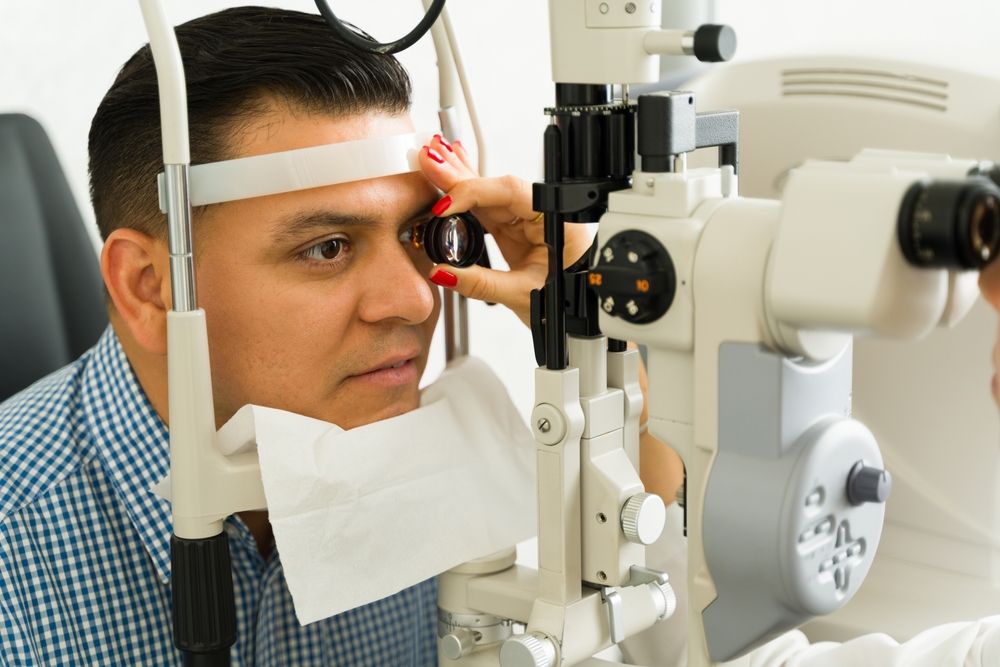
We all know the basics about eye exams, like the fact that they help you get the right prescription for glasses. But did you know that a comprehensive eye exam is more than just a way to update your lenses? Skipping these exams might seem like a small thing, especially when you feel like your vision is fine, but it can have a bigger impact on the health of your eyes and your overall well-being.
So, how often do you really need to see an eye doctor? The short answer: at least once a year, especially if you want to keep your eyes and your health on track.
Eye Exams Help Detect More Than Just Vision Problems
It is easy to think that if you are not struggling with blurry vision or headaches, your eyes are fine. But many eye conditions do not show any symptoms at first. Macular degeneration, glaucoma, and diabetic eye disease often develop silently, without warning signs.
A full eye exam does more than just test your vision. It checks the health of your eyes and can find problems before they get worse. Some health issues, like high blood pressure or diabetes, can show up in your eyes before you notice them anywhere else, so eye exams are an important way to take care of your health.
Early Detection Can Save Your Vision
By finding problems early, you can take steps to stop serious damage. For example, macular degeneration and glaucoma are both problems that can cause vision loss if not treated. But if they are found early and you get the right care, many of these problems can be controlled or slowed down.
Eye Exams Help Detect Health Issues Early
Did you know your eyes are connected to the rest of your body? When your optometrist looks into your eyes, they are not just checking your vision. They can also spot signs of other health conditions, like diabetes, high blood pressure, or even some types of cancer.
Problems like diabetes can damage the blood vessels in your eyes, leading to diabetic retinopathy. If left untreated, it can cause blindness. But if it is found early, changes in your daily habits or treatments can keep it from getting worse. Eye exams help find these problems before they become serious, often before you notice any other signs.
How Often Should You Get an Eye Exam?
Adults between the ages of 18 and 60 should have an eye exam at least every two years. If you are over 60, you may need an exam every year. People who wear glasses or contacts should also have regular exams to keep their prescriptions up to date and their eyes healthy.
Even if you do not wear glasses and have no vision problems, it is still important to visit your eye doctor regularly. They can check for early signs of eye disease, monitor any changes, and help you feel reassured.
What Happens During a Comprehensive Eye Exam?
A full eye exam is different from just checking your vision. It includes several tests to assess how your eyes focus and how well they work together. The doctor will look at the inside of your eyes for signs of disease or damage. They may also check your eye pressure, look at the back of your eyes, and see how well your eyes move and work together.
Most people find the exam simple and non-invasive. It is quick, easy, and does not take long at all. And if it helps protect your vision for the long run, it is worth it.
So, if you have not had an eye exam in a while, it might be time to make an appointment. It is a small step that can have a big impact on your long-term health and well-being.
For more on comprehensive eye exams, visit Eye Care Plus. Our office is in El Paso, Texas. Call (915) 465-4800 or (915) 581-8761 to book an appointment today.
Quick Links
Helpful Articles
article_category: products
article_category: psychiatry
article_category: faqs
article_category: cats
article_category: general
article_category: services
article_category: technology
article_category: dogs
article_category: restorative
article_category: vision therapy
article_category: contact lenses
article_category: health
article_category: conditions
article_category: eye surgery co-management
article_category: exotic
article_category: cosmetic
article_category: surgical procedures
article_category: aesthetics
article_category: preventative
article_category: ocular disease management
article_category: eyeglasses
article_category: eye health
article_category: large animal
[]
article_category: psychiatry
article_category: faqs
article_category: cats
article_category: general
article_category: services
article_category: technology
article_category: dogs
article_category: restorative
article_category: vision therapy
article_category: contact lenses
article_category: health
article_category: conditions
article_category: eye surgery co-management
article_category: exotic
article_category: cosmetic
article_category: surgical procedures
article_category: aesthetics
article_category: preventative
article_category: ocular disease management
article_category: eyeglasses
article_category: eye health
article_category: large animal
[]
Flowbite is an open-source library of interactive components built on top of Tailwind CSS including buttons, dropdowns, modals, navbars, and more.
Check out this guide to learn how to get started and start developing websites even faster with components on top of Tailwind CSS.
All Eyecare Services
We offer a wide variety of eye care services to the El Paso community. Contact us with any questions about our services.

Keep In Touch
For non-urgent questions or to learn more about our services, contact us today!
© 2026 Eye Care Plus. All rights Reserved - Accessibility Statement - Privacy Policy - Sitemap
Managed and Designed by 